

Study on the differences in gut microbiota of Hermetia illucens during high-altitude domestication
doi: 10.3969/j.issn.1674-0858.2026.04.25
-
摘要:
研究发现黑水虻Hermetia illucens(双翅目: 水虻科)的肠道菌群在黑水虻营养代谢和生理行为中起着至关重要的作用, 但肠道菌群在其高原适应中的变化和作用尚不清楚。
目的为了研究肠道微生物在黑水虻高海拔适应中的作用,
方法本研究利用16S rRNA测序技术分析了低海拔地区黑水虻种群以及转移至高原驯养传代后黑水虻种群的肠道微生物群的多样性和功能差异。
结果本研究结果揭示了低海拔黑水虻幼虫和高海拔驯养传代黑水虻肠道微生物群群落结构的显著差异。值得注意的是, 肠球菌和厌氧单胞菌等菌属在高海拔处理组更为丰富, 而致病菌主要存在于低海拔处理组中。在高海拔地区, 肠道微生物群在碳水化合物代谢、聚糖生物合成和代谢方面的功能较强, 而其他代谢途径的活性降低。
结论本研究结果表明, 将低海拔黑水虻种群转移至高海拔地区饲养驯化时, 黑水虻生理状态改变可能导致其肠道菌群变化。黑水虻通过降低代谢和增强免疫功能来应对高海拔环境应激。
Abstract:Research has shown that the gut microbiota of the black soldier fly, Hermetia illucens (Diptera: Stratiomyidae), plays a crucial role in its nutritional metabolism and physiological behavior. However, the specific alterations and contributions of the gut microbiota during the black soldier fly's adaptation to high-altitude environments remain unclear.
AimTo investigate the role of gut microbiota in the high-altitude adaptation of the black soldier fly.
MethodsThis study employed 16S rRNA sequencing technology to assess the diversity and functional variations of the gut microbial communities in populations from low-altitude regions compared to those that were subsequently transferred and domesticated at high altitudes.
ResultsThis finding revealed significant differences in the community structure of the gut microbiota between low-altitude larvae and their high-altitude domesticated counterparts. Notably, genera such as Enterococcus and Clostridium were more abundant in the high-altitude treatment group, while pathogenic bacteria were primarily observed in the low-altitude group. In high-altitude environments, the gut microbiota exhibited enhanced functionality in carbohydrate metabolism, polysaccharide biosynthesis, and general metabolism; however, the activity of other metabolic pathways was reduced.
ConclusionThe results suggested that the physiological changes experienced by black soldier flies during their transition from low-altitude to high-altitude regions for domestication may result in significant alterations to their gut microbiota. Furthermore, the black soldier fly appears to mitigate high-altitude environmental stress by lowering metabolism and enhancing its immune function.
-
Insects constitute the most taxonomically deverse animal group, and this taxonomically diversity is reflected in the community structure and functional capabilities of the microbes found in their digestive systems (Konstantin and Philipp, 2021). The gut microbiota of insects plays a crucial role in nutrient metabolism, including the metabolism of amino acids, lipids, cellulose digestion, nitrogen fixation, and vitamin synthesis (Shamjana et al., 2024). To defend against various pathogens, insects have developed unique and robust immune systems. A core immune priming enables insects to recognize and remember specific pathogens. This ability enables insects to co-evolve with their gut microbiota, activating immune responses that help protect against infections. The symbiotic relationship between insect gut microbes and their hosts significantly contributes to immune defense mechanisms (Sadd and Schmid-Hempel, 2006; Netea et al., 2011; Mikonranta et al., 2014; Chambers and Schneider, 2012; Gerard et al., 2020; Eleftherianos et al., 2021; Humberto and Jorge, 2022). Moreover, gut microbiota assists insects in adapting to their environments and expanding their ecological niches (Kwong and Moran, 2015). The composition of gut microbiota is influenced by external environmental factors and dietary habits, resulting in structural adaptations that reflect the insects' living conditions and feeding strategies (Wu et al., 2020).
The black soldier fly (BSF), an insect belonging to the genus Stratiomyidae (Diptera), is scientifically known as Hermetia illucens (Sheppard et al., 2002). The growth and development of black soldier flies are influenced by several factors, including temperature, relative humidity, substrate, light intensity, and breeding density (Liu et al., 2015; Dou et al., 2019; Zhou et al., 2020; Logan et al., 2021; Luisa et al., 2022). Research indicates that optimal ambient temperatures of 27-30 degrees Celsius enhance the survival rate of black soldier flies while reducing their development time (Tomberlin et al., 2009). High-altitude regions around the world present harsh climatic conditions, characterized by elevated terrain, limited vegetation, low oxygen levels, cold temperatures, higher UV radiation, and reduced atmospheric pressure. These challenging conditions make it difficult for living organisms to thrive (Tiwari et al., 2024). Given the harsh environmental conditions of low temperature and low oxygen in Qinghai province, which are unsuitable for the survival of black soldier flies (Yu et al., 2023), we hypothesize that gut microbiota may play a crucial role in the high-altitude adaptation of this species (Wu et al., 2020).
In 2011, scientists first reported on the composition of the gut microbiota of the black soldier flies (Jeon et al., 2011). Since then, there has been a growing interest in investigating the influence of gut microbiota on these flies and the mechanisms that govern their interactions. Research has shown that various insect species exhibit similar compositions of gut microbiota (Douglas, 2018). The gut microbiota of various insects is influenced by several factors, including feeding habits, age, and environmental conditions, with the predominant phyla being Firmicutes and Proteobacteria (Colman et al., 2012). Notably, the gut microbiota of the black soldier fly hosts a stable core microbiome consisting of Proteobacteria, Firmicutes, Bacteroides, and Actinobacteria, which remains relatively unchanged despite fluctuations in environmental conditions (Engel and Moran, 2013). Numerous studies have demonstrated that the gut microbiota of black soldier fly larvae (BSFL) can enhance nutritional metabolism, contribute to growth and development, regulate immune responses, and improve resistance to various stressors, among other yet-to-be-defined functions (Beuno et al., 2019; Correa et al., 2019; Rehman et al., 2019; Ao et al., 2020; Gold et al., 2020; Elhag et al., 2022; Pei et al., 2022).
The cultivation of Hermetia illucens, commonly known as the black soldier fly, is an emerging industry in China and is well-established in most low-altitude regions of the country. In recent years, Qinghai Province has successfully implemented black soldier fly farming technology at high altitudes. Previous studies have indicated that gut microbiota play a crucial role in helping host insects adapt to high-altitude environments. However, the specific role of gut microbiota in the high-altitude adaptation of black soldier flies has not been extensively studied. To investigate the differences in gut microbiota between black soldier flies cultivated at low altitudes and those transferred to high-altitude regions for domestication and generational rearing, this study focused on these two populations. It compared the composition and diversity of their gut microbiota and predicted their functional roles. The goal was to identify distinct microbiota associated with the high-altitude domestication process and evaluate their potential contribution to the adaptation of black soldier flies to high altitudes. This research enhances our understanding of how gut microbiota affect the high-altitude adaptation of host insects and provides insights that could promote the cultivation of black soldier flies in high-altitude regions, thereby ensuring the production efficiency of this valuable resource.
1. Materials and methods
1.1 Samples collection
In our study, we conducted experiments involving four treatments: LL, LH1, LH2, and HH. We selected healthy, active, and comparably sized 5th instar larvae were selected from each of these groups, generating 10 replicates per treatment (40 samples in total). The samples from groups HH, LH1, and LH2 were sourced from Qinghai Kunjie Environmental Protection Technology Co., Ltd. (located at 101°9', 36°7', 2 735 m) in October 2023, representing high-altitude specimens. In contrast, samples from the LL group were collected from Guilin Weili Biotechnology Co., Ltd. (at 110°7', 25°6', 548 m) in November 2023, serving as the low-altitude reference. The LL group consisted of gut samples labeled LL_1 to LL_10, derived from 5th instar larvae of black soldier flies cultivated long-term in Guangxi. The LH1 group samples, identified as LH1_1 to LH1_10, represented the first generation of 5th instar larvae incubated and bred in Qinghai Kunjie Biotechnology Co., Ltd., originating from eggs purchased from Weili Biotechnology Co., Ltd. The LH2 group samples (LH2_1 to LH2_10) were collected from the LH1 group after one passage. Meanwhile, the HH group samples, designated HH_1 to HH_10, consisted of 5th instar larvae sourced from long-term cultures of eggs from Guangxi that were grown in Qinghai. All the black soldier fly samples were raised on the same feed regimen. The hatching feed comprised a 1∶1 mixture of corn meal and corn starch, while the larval feeding diet consisted of a 1∶6 mixture of wheat bran and kitchen waste.
After starving all larvae for 24 hours, we proceeded to sterilize the surfaces of the entire insect body. We wiped the larvae with 70% alcohol for 30 s, followed by a one-minute soak in 0.25% sodium hypochlorite, and rinsed them three times with sterile water to eliminate any external contaminants. Following the disinfection process, all samples were sent to Shanghai Majorbio Bio-Pharm Technology Co., Ltd. in Shanghai, China, for gut dissection.
1.2 DNA extraction
Total genomic DNA was extracted from intestinal samples using the TIANamp Stool DNA Kit (Tiangen Biochemical Technology, Beijing). DNA concentration and and purity were quantified using a NanoDrop 2000 spectrophotometer (Thermo Fisher Scientific, USA).
1.3 PCR amplification
For the V4~V5 region of the 16S rRNA gene in the bacterial sample, the upstream primer 515F(GTGCCAGCMGCCGCGG) (Caporaso et al., 2011) and the downstream primer 907R (CCGTCAATTCMTT TRAGTTT) (Armitage et al., 2012) were selected for amplification. The PCR reaction system employed in this study comprised a total volume of 20 μL, which included 4 μL of 5 × FastPfu Buffer, 2 μL of 2.5 mmol/L dNTPs, 0.8 μL of each positive and negative primer (5 μM), 0.4 μL of FastPfu polymerase, 0.2 μL of BSA, and 10 ng of template DNA, with the volume adjusted to 20 μL using ddH2O. The reaction conditions consisted of an initial denaturation at 95℃ for 3 minutes, followed by 27 cycles of 95℃ for 30 seconds, 45℃ for 30 seconds, and 72℃ for 45 seconds. A final extension was performed at 72℃ for 10 minutes. PCR products were analyzed using 2% agarose gel electrophoresis, and the purified products were sequenced using the Illumina MiSeq platform at Shanghai Majorbio Bio-Pharm Technology Co., Ltd.
1.4 Bioinformatics and statistical analysis
The data analysis for this study was performed using the Majorbio Cloud Analysis Platform (https://cloud.majorbio.com) provided by Shanghai Majorbio Bio-Pharm Technology Co., Ltd.
The paired-end (PE) reads obtained from sequencing were initially spliced based on overlapping regions. This was followed by quality control and filtering of the sequences. Clustering was conducted using USEARCH (v11.0, http://drive5.com/uparse/) with a 97% similarity threshold to generate operational taxonomic units (OTUs) (Edgar, 2013). For the taxonomic analysis of the 97% OTU representative sequences, the RDP classifier (v 2.11, http://sourceforge.net/projects/rdp-classifier/) was used, employing a Bayesian algorithm (Wang et al., 2007). The taxonomic assignments were then compared against the Silva v138 database (http://www.arb-silva.de) (Quast et al., 2013), and the species composition was analyzed at both the phylum and genus levels.
The Qiime platform (http://qiime.org/scripts/assign_taxonomy.html) was utilized to analyze the richness (ACE and Chao indices) and diversity (Shannon indices) of the gut microbiota in each sample (Bolyen et al., 2019). A statistical t-test was conducted to determine whether significant differences existed among the index values across the four groups, with the false discovery rate (FDR) applied to evaluate the significance of these differences. The beta diversity distance matrix was computed using Qiime (v2020.2.0). To visualize the differences among the four sample groups, principal component analysis (PCA) and principal coordinates analysis (PCoA) were performed based on the Bray-Curtis distance algorithm, using R (version 3.3.1). The vegan package (version 2.4.3) in R facilitated non-metric multidimensional scaling (NMDS) analysis and visualization (Kambura et al., 2016). To test for significant differences among groups at the phylum classification level, the stats package in R (version 3.3.1) and the scipy package in Python (version 1.0.0) were utilized, identifying four species that displayed significant differences among the groups. Additionally, the LEfSe software (http://huttenhower.sph.harvard.edu/lefse) was employed to perform linear discriminant analysis (LDA) based on the taxonomic classifications of samples under various conditions, allowing for the identification of communities or species that significantly differentiated the four groups of samples (Sun et al., 2016), with the default LDA score threshold was set at 4.0. The taxonomic level from phylum to species was selected for LEfSe analysis, and the multi-group comparison strategy selected was all against all, and the relative abundance in each sample was thoroughly analyzed.
PICRUSt2, which incorporates the Kyoto Encyclopedia of Genes and Genomes (KEGG) database, was utilized to predict the categories and abundance of KEGG pathways (Kanehisa et al., 2012; Douglas et al., 2020). Specifically, this study employed PICRUSt2 to forecast data related to KEGG metabolic pathways and clusters of orthologous groups (COG), using operational taxonomic unit (OTU) sequences along with their respective abundances as input. The proportions of COG functional categories across different sample groups were visualized using column charts, while the distribution of functional abundance at level 1 and level 2 of KEGG pathways was illustrated through heat maps. Additionally, the Kruskal-Wallis test was conducted to evaluated differences in the variables (KEGG pathways) of gut microbiota between high-altitude and low-altitude areas.
2. Results and analysis
2.1 Splicing and assembly of the 16S rRNA sequence of the microbiota present in the gut of BSFL
Based on Illumina sequencing, the 16S rRNA gene was sequenced for the gut microbiota of the fifth-instar larvae from the LL, LH1, LH2, and HH groups. A total of 2 313 150 optimized sequences were obtained from the 40 gut samples of the black soldier fly larvae, with an average sequence length of 376 bp. After conducting quality control, this research retained 1 618 200 valid sequences. The sequence reads were clustered at a similarity threshold of 97.0%, as shown in attached table 1. The annotation results, based on operational taxonomic units (OTUs), revealed that a total of 788 OTUs were identified across the 40 samples. These OTUs were classified into 15 phyla, 32 classes, 86 orders, 151 families, 281 genera.
2.2 Sequencing depth and α-diversity analysis of the midgut microbiota community of BSFL
As illustrated in the rank abundance curve (Fig. 1-A), the horizontal coordinate curve became relatively flat with an increasing number of species, indicating that the species composition of the samples was relatively uniform. This reflected the diversity of gut microbiota among the different samples. The Shannon diversity index dilution curve (Fig.1-B) and the rarefaction curve (Fig.1-C) both trended towards smoothness at the end, suggesting that the sequencing sample size was sufficient. The α diversity of the gut microbiota from the four groups was analyzed using the Shannon index, Chao index, and ACE index, and Sobs indices. Figure 2 demonstrated the significant differences in these diversity indices at the OTU level, while Table 1 provided the corresponding values for each sample. From the results presented in Fig.2-A, there were significant differences in the Shannon index between the LL group and the other groups, with the Shannon index of the LL group being significantly higher than those of the other three groups (P < 0.001). Both the ACE (Fig.2-B) and Chao indices (Fig.2-C) were significantly different between the LL group and the other groups, with the LL group showing significantly higher values than the other three groups (P < 0.001). The Sobs index (Fig.2-D) for the LL group was significantly higher than that of the LH1 and LH2 groups (P < 0.01), and it also exhibited a significant difference compared to the HH group (P < 0.05). Overall, the species abundance and diversity of gut microbiota in the LL group were found to be greater than those in the other three groups. Specifically, the gut microbiota richness and diversity of BSFL in the LL group were the highest, while the lowest microbial richness was observed in the HH group and the lowest diversity was noted in the LH2 group.
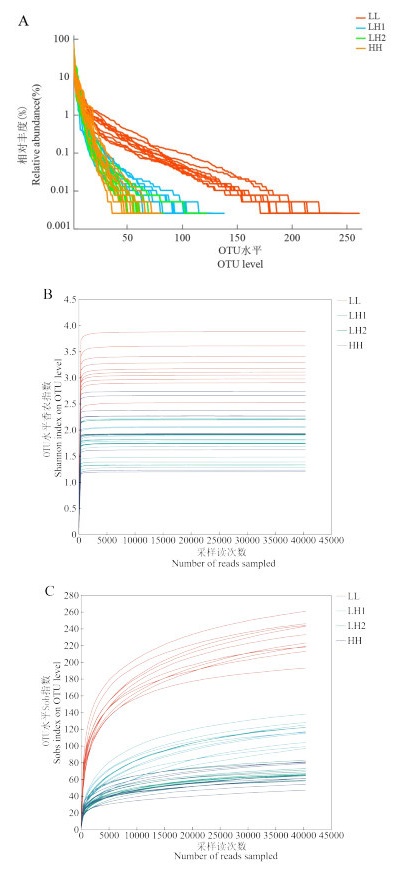 Fig. 1 OTU analysis and richness evaluation of the black soldier fliesNote: Rank abundance curves (A), Shannon index curves (B), Dilution curves (C) of gut microbiota communities at OUT level in each group of black soldier fly larvae (BSFL).
 下载:
全尺寸图片
下载:
全尺寸图片
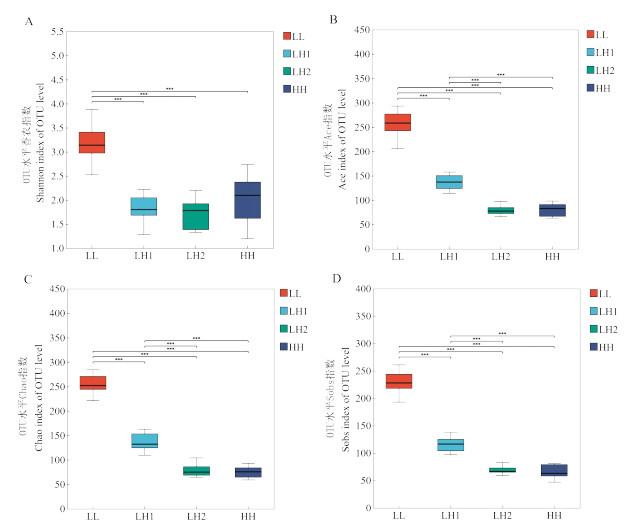 Fig. 2 α-diversity analysis of BSFL gut microbiota in each groupNote: α-diversity of BSFL gut microbiota in each group, assessed using the Shannon indices (A), ACE indices (B), Chao indices (C), and the sobs indices (D). The data presented in the figure are expressed as mean ± SD. Statistical significance is indicated as follows: *** represents a very significant difference between samples (P < 0.001).下载:
全尺寸图片
Fig. 2 α-diversity analysis of BSFL gut microbiota in each groupNote: α-diversity of BSFL gut microbiota in each group, assessed using the Shannon indices (A), ACE indices (B), Chao indices (C), and the sobs indices (D). The data presented in the figure are expressed as mean ± SD. Statistical significance is indicated as follows: *** represents a very significant difference between samples (P < 0.001).下载:
全尺寸图片
2.3 Analysis of bacterial β‑diversity in the gut of BSFL
Hierarchical clustering analysis of operational taxonomic units (OTUs) was performed on the gut microbiota of the four groups of BSFL samples using the UPGMA algorithm to create a dendrogram. As shown in Fig.3-A, the LL group consistently clustered together into a single distinct cluster, while the other three groups of BSFL samples formed a separate cluster. Within the LH1 group, nine samples clustered together, with the exception of LH1_3. The LH2 and HH groups also clustered together, though LH2_1 and LH2_3 stood apart. These results indicated that the gut microbiota of the LL group was significantly different from that of the other three groups, while there was no significant difference among the individuals within the LL group itself. The gut microbial composition of the BSFL in the LH1 group differed from that of the LH2 and HH groups, while the microbial profiles in the LH2 group were similar to those in the HH group. The clustering of LH1_3, LH2_1, and LH2_3 may be attributed to individual variability among the black soldier flies.
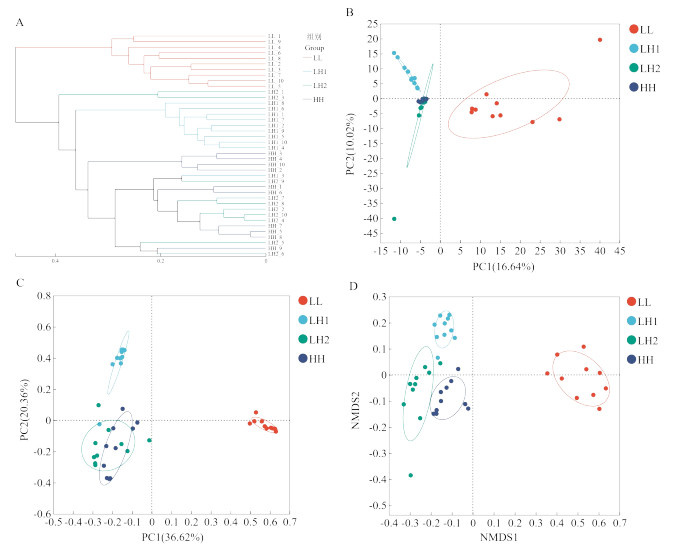 Fig. 3 β-diversity analysis of gut microbiota in the black soldier flyNote: UPGMA clustering tree (A) of gut microbes in black soldier fly larvae (BSFL) across each group based on OTU levels. PCA (B), PCoA (C), NMDS (D) analysis of BSFL gut microbiota in each group utilizing the Euclidean distance algorithm and based on the Bray-Curtis dissimilarity measure.下载:
全尺寸图片
Fig. 3 β-diversity analysis of gut microbiota in the black soldier flyNote: UPGMA clustering tree (A) of gut microbes in black soldier fly larvae (BSFL) across each group based on OTU levels. PCA (B), PCoA (C), NMDS (D) analysis of BSFL gut microbiota in each group utilizing the Euclidean distance algorithm and based on the Bray-Curtis dissimilarity measure.下载:
全尺寸图片
The results from the PCA (Fig.3-B) and PCoA (Fig.3-C) analyses indicated a clear separation of the sample points for the LL group from those of the other three groups. The LH1, LH2, and HH groups exhibited closer proximity to one another, with overlap observed between the sample points of the LH2 and HH groups. These findings demonstrated that the intestinal bacterial composition of the LL group was significantly different from that of the other three groups, while the compositions of the LH2 and HH groups were highly similar. Further analysis using NMDS (Fig.3-D) revealed a stress value of 0.113 (less than 0.2), suggesting that the NMDS analysis accurately reflected the degree of differences among the samples. The LL group was distinctly separated from the other three groups, while the sample points of the LH1 and LH2 groups were close. Additionally, the HH group and LH2 group exhibited very close annotation distances, indicating that the gut microbiota composition of the BSFL in the LL group was markedly different from those in the other groups, and that the compositions in the HH and LH2 groups were similar. These results were consistent with those from the PCA and PCoA analyses, which indicated a relatively stable gut microbiota structure across the four groups. Overall, these findings confirmed that the differences between samples in distinct groups were greater than those observed within the same group.
2.4 Comparison of species composition and abundance of microbiota identified in the gut of black soldier fly larvae across different groups
As illustrated in the figure (Fig.4), the predominant bacterial phyla identified in the gut microbiota of black soldier fly larvae (BSFL) in the LL group were Bacteroidota (39.14%), Actinobacteriota (29.85%), and Proteobacteria (16.96%). In the LH1 group, the predominant phyla were Firmicutes (52.03%), Proteobacteria (21.15%), and Bacteroidota (13.63%). For the LH2 group, the top three phyla were Firmicutes (40.29%), Bacteroidota (36.32%), and Proteobacteria (18.87%). Finally, in the HH group, the dominant phyla were Bacteroidota (41.63%), Actinobacteriota (28.61%), and Proteobacteria (15.36%). At the genus level, the study highlighted the top ten bacterial genera for each group, as shown in Figure 5. In the LL group, the dominent genera were Empedobacter (17.21%), Brevibacterium (15.14%), and Actinomyces (10.98%). For the LH1 group, the predominant genera included Enterococcus (47.32%), Actinomyces (12.49%), and Dysgonomonas (7.62%). In the LH2 group, the top three genera were Dysgonomonas (35.96%), Enterococcus (17.51%), and Weissella (15.22%). Lastly, in the HH group, the leading genera were Dysgonomonas (34.33%), Corynebacterium (21.25%), and Enterococcus (8.73%).
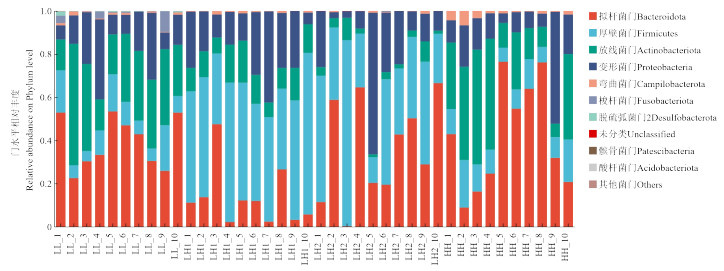 Fig. 4 Relative abundance of the top 10 bacteria phyla of gut microbiota in the fifth-instar larvae of Hermetia illucens下载:
全尺寸图片
Fig. 4 Relative abundance of the top 10 bacteria phyla of gut microbiota in the fifth-instar larvae of Hermetia illucens下载:
全尺寸图片
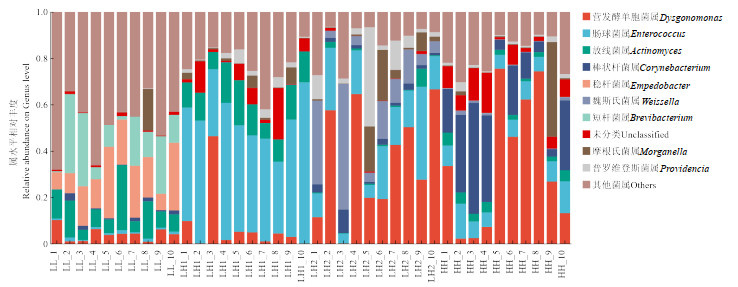 Fig. 5 Relative abundance of the top 10 bacteria genera of gut microbiota in the fifth-instar larvae of Hermetia illucens下载:
全尺寸图片
Fig. 5 Relative abundance of the top 10 bacteria genera of gut microbiota in the fifth-instar larvae of Hermetia illucens下载:
全尺寸图片
2.5 Analysis of different gut microbiota between groups
Significance testing of gut microbiota across the LL, LH1, LH2, and HH groups was conducted at the phylum level (Fig. 6). The results revealed significant differences in the abundance of Bacteroidota, Campilobacteriota, and Patescibacteria among the four groups (P < 0.01). Additionally, extremely significant differences were observed in Firmicutes, Actinobacteriota, Fusobacteriota, and Desulfobacterota among the groups (P < 0.001).
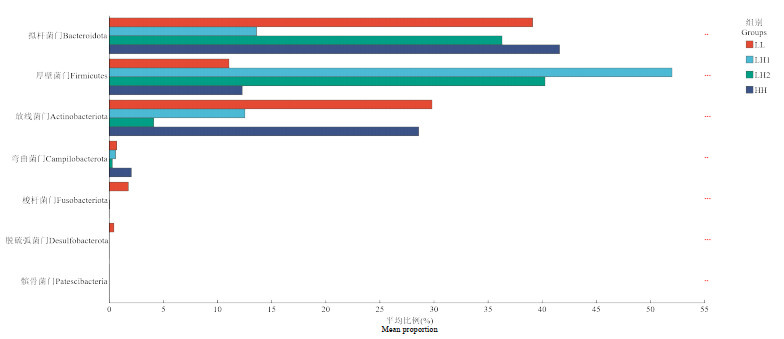 Fig. 6 Significance test of differences between groups at the phylum levelNote: ** indicated P < 0.01, and *** indicated P < 0.001.下载:
全尺寸图片
Fig. 6 Significance test of differences between groups at the phylum levelNote: ** indicated P < 0.01, and *** indicated P < 0.001.下载:
全尺寸图片
LEfSe analysis was performed to assess the differences in intestinal flora among the four groups, with a threshold of LDA > 4.0. The results indicated significant changes in the intestinal flora at the class, order, family, genus, and species classification levels, particularly within the LH1, LH2, and HH groups (Fig.7). At the class level, Bacilli was significantly enriched in the LH1 group. At the order level, Bacillales and Orbales were significantly present in the LH1 group, while Corynebacteriales was significantly enriched in the HH group. At the family level, Enterococcaceae, Planococcaceae, and Orbaceae were significantly represented in the LH1 group, whereas Leuconostocaceae was significantly enriched in the LH2 group. Additionally, Corynebacteriaceae and Beutenbergiaceae were significantly present in the HH group. At the genus level, Enterococcus and unclassified Orbaceae were significantly enriched in the LH1 group, while Corynebacterium and unclassified Beutenbergiaceae were significantly present in the HH group (Fig. 8).
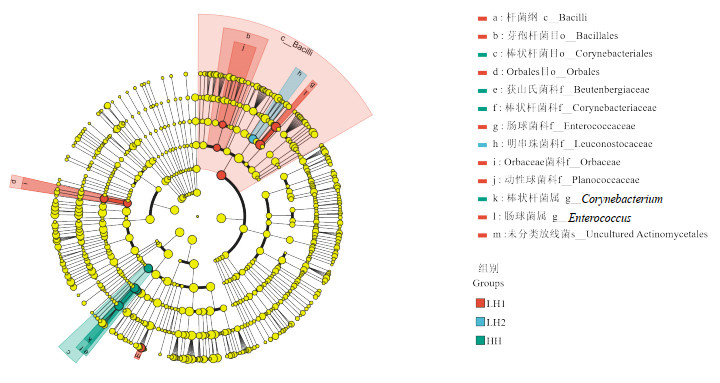 Fig. 7 LEfSe multilevel species classification tree of different treatment groups from phylum to species taxonomic level下载:
全尺寸图片
Fig. 7 LEfSe multilevel species classification tree of different treatment groups from phylum to species taxonomic level下载:
全尺寸图片
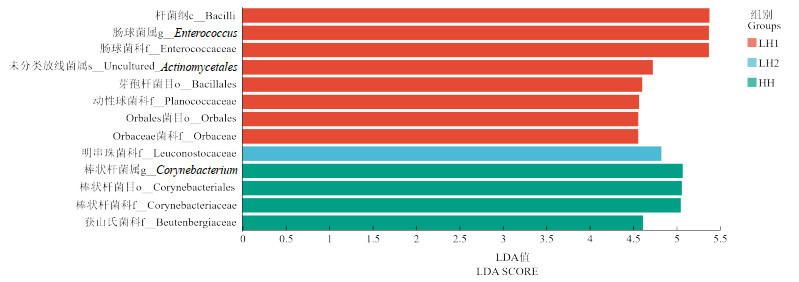 Fig. 8 LDA discriminant histogram, the LDA threshold is set to be greater than 4下载:
全尺寸图片
Fig. 8 LDA discriminant histogram, the LDA threshold is set to be greater than 4下载:
全尺寸图片
2.6 Functional prediction of gut microbiota
To gain a deeper understanding of the functional roles of gut microbiota in the four groups of black soldier flies (BSFL), functional abundance predictions were conducted using the PICRUSt2 software based on 16S rRNA sequencing data. The predicted functional profiles were subsequently compared to the COG database. The results at KEGG level 1 indicated that "Metabolism" and "Genetic Information Processing" comprised the largest proportions of functional prediction types (Fig.9). The metabolic functions primarily included amino acid transport and metabolism, carbohydrate transport and metabolism, inorganic ion transport and metabolism, energy production and conversion, coenzyme transport and metabolism, nucleotide transport and metabolism, as well as lipid transport and metabolism. The "Genetic Information Processing" category mainly encompassed translation, ribosomal structure and biogenesis; transcription; and replication, recombination, and repair (Fig.10). As shown in Figure 11, gut microbiota from the larvae of the four groups were annotated to a total of 46 pathways at level 2, with 30 pathways exhibiting significant differences (P < 0.05) (Fig.12). Notably, the pathways related to the metabolism of terpenoids and polyketides, xenobiotics biodegradation and metabolism, metabolism of cofactors and vitamins, and amino acid metabolism in the LL group at low altitude were significantly higher than those in the three high-altitude groups. Conversely, the pathways in the LH1, LH2, and HH groups were significantly enriched compared to the LL group, including glycan biosynthesis and metabolism, nucleotide metabolism, carbohydrate metabolism, and drug resistance: antimicrobial.
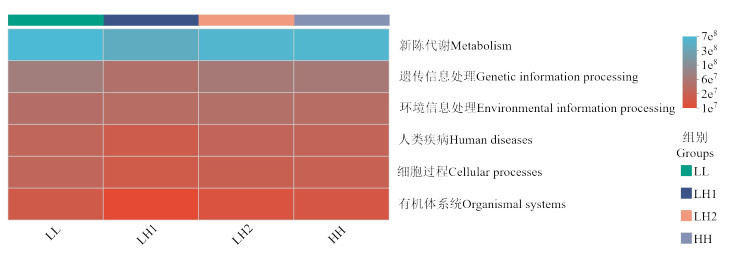 Fig. 9 Heatmap of KEGG pathways at level 1 for the four groups下载:
全尺寸图片
Fig. 9 Heatmap of KEGG pathways at level 1 for the four groups下载:
全尺寸图片
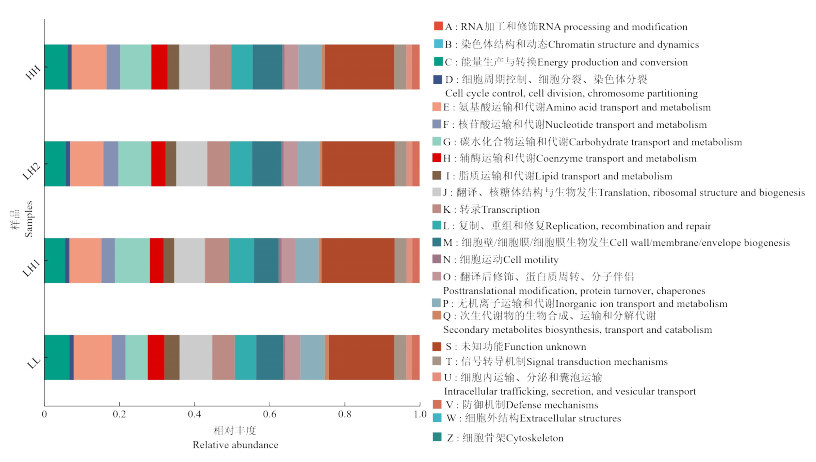 Fig. 10 Functional predictions of Hermetia illucens gut microbiota based on COG database下载:
全尺寸图片
Fig. 10 Functional predictions of Hermetia illucens gut microbiota based on COG database下载:
全尺寸图片
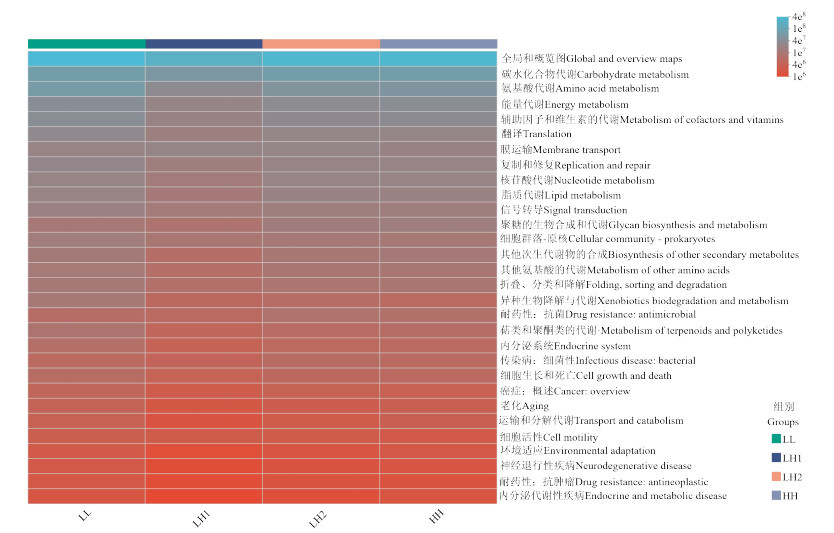 Fig. 11 Heatmap of KEGG pathways at level 2 for the four groups下载:
全尺寸图片
Fig. 11 Heatmap of KEGG pathways at level 2 for the four groups下载:
全尺寸图片
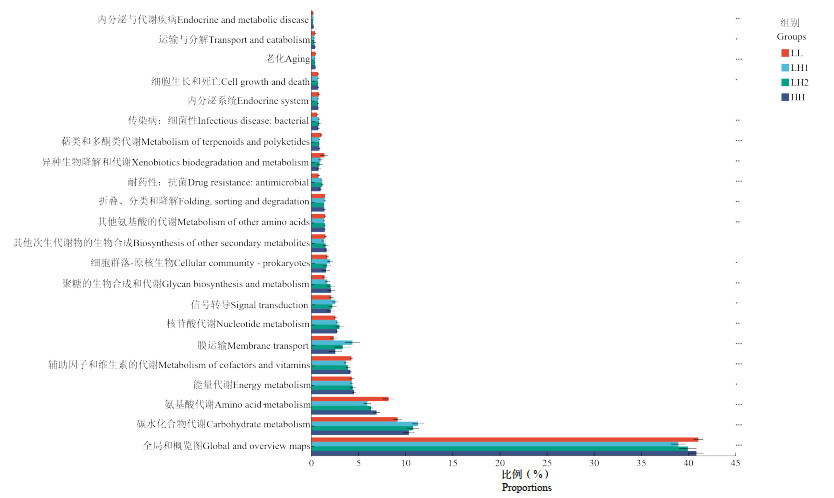 Fig. 12 Functional predictions of Hermetia illucensNote: Highlighting pathways with P < 0.05. The relative abundance expression at Level 2 included the top 30 pathways (Kruskal-Wallis H test; *, 0.01 < P < 0.05; **, 0.001 < P ≤ 0.01; ***, P ≤ 0.001).下载:
全尺寸图片
Fig. 12 Functional predictions of Hermetia illucensNote: Highlighting pathways with P < 0.05. The relative abundance expression at Level 2 included the top 30 pathways (Kruskal-Wallis H test; *, 0.01 < P < 0.05; **, 0.001 < P ≤ 0.01; ***, P ≤ 0.001).下载:
全尺寸图片
3. Discussion and conclusion
3.1 Effect of altitude on gut microbiota diversity of the black soldier fly
The composition of gut microbiota in insects can alter in response to environmental factors and drug exposure (Ma et al., 2023). Insects residing at high altitudes possess gut microbiota that can effectively decompose food, supply nutrients to the host, and create an intestinal environment resilient to low oxygen levels, cold temperatures, and limited food energy. This adaptability aided their survival in plateau environments (Wang et al., 2023). These environmental stresses may adversely affect the survival of certain gut microbiota. The α-diversity of gut microbiota in the LH1, LH2, and HH groups at high altitude was found to be lower compared with the LL group at low altitude, likely due to environmental influences on gut microbiota composition. However, animals that have acclimated to high-altitude living conditions often display an increased prevalence of specific microbial species within their gut (Qiu et al., 2023), which accounts for the higher abundance of gut microbiota in the HH group compared to the LH1 and LH2 groups.
3.2 The difference of altitude results in the structural changes of gut microbiota of the black soldier fly
Despite the differences in composition and diversity of gut microbiota communities at varying altitudes, the predominant bacterial phyla remained Firmicutes, Bacteroidota, Proteobacteria, and Actinobacteriota. Although the overall microbiome composition did not change significantly with modifications in the growing environment during the development of black soldier flies, the relative abundances of certain phyla exhibited variability. Notably, Fusobacteriota, Patescibacteria, and Desulfobacterota were exclusively found in the LL group. Research indicated that Patescibacteria primarily survive by adhering to the surface of Actinobacteriota (Wang et al., 2023). As the altitude of the black soldier fly's habitat increased, the abundance of Actinobacteriota in their intestines diminished. It was speculated that these three phyla may have experienced declines in abundance or even extinction due to their inability to thrive in high-altitude conditions, leading to their absence in the intestines of the black soldier flies cultured at higher altitudes.
Differences in the external environment can lead to variations in the microbiota community structure among insects (Zhou et al., 2015). The distinct ecological climates found at high and low altitude areas resulted in significant differences in the gut microbiota structure of the LL group at low altitude when compared to the LH1, LH2, and HH groups at high altitude, with the community composition being more dispersed in the LL group. In contrast, the gut microbiota community structures of the LH1, LH2, and HH groups at high altitude were quite similar, exhibiting a more concentrated community composition as a result of environmental adaptation.
3.3 Mechanism of gut microbiota adaptation to high altitude in black soldier fly
This study hypothesized that the bacterial families that play a significant role in the high-altitude adaptation of the black soldier fly (Hermetia illucens) include Enterococcaceae, Planococcaceae, Orbaceae, Leuconostocaceae, Corynebacteriaceae, and Beutenbergiaceae. Research has identified Enterococcus as the predominant bacterial group in the midgut of the moth Macrocera, with an observed increase in Enterococcus populations positively correlating with elevated expression levels of immune-related genes (Krams et al., 2017). This suggested that Enterococcus may enhances the immune function of the black soldier fly (Kathrin et al., 2016). Additionally, research has indicated that flies inoculated with Leuconostocaceae demonstrate a preference for carbohydrate-rich foods (Wong et al., 2017). Therefore, this research hypothesized that Leuconostocaceae may be associated with enhanced carbohydrate metabolism in black soldier flies at high altitude. Hamada described Beutenbergiaceae as facultative anaerobes that are capable of utilizing various carbon sources (Groth et al., 1999). The symbiotic strain YH12T, which was isolated by Fangfang from the intestinal tract of the black soldier fly, is also part of the Beutenbergiaceae family and has been shown to positively promote the growth and development of the black soldier fly (Fang, 2020). Additionally, members of the Corynebacteriaceae family within the gut of the black soldier fly can secrete carbohydrate-degrading enzymes, which facilitate the breakdown and utilization of carbohydrates (Jiang et al., 2019). The gut microbiota of insects significantly impacted the host by influencing nutritional metabolism, immune defense, and enhancing host resistance (Lv et al., 2021). Gut microbiota was involved in regulating various physiological functions, including nutritional metabolism, growth and development, infection protection, neural activity, and behavior in fruit flies. They played a crucial role in the life cycle and physiological functions of mosquitoes, assisting in food digestion, regulating metabolism and growth, bolstering the immune system, defending against pathogen colonization and invasion, and maintaining beneficial symbiotic relationships (Cirimotich et al., 2011; Wang et al., 2012; Coon et al., 2014; Morgane et al., 2018; Bai et al., 2019; Scolari et al., 2019; Wu et al., 2019; Gao et al., 2021; Feng et al., 2022). Building on previous studies and our findings, it can be inferred that gut microbiota may assist the black soldier fly in adapting to environmental conditions by participating in metabolic processes and pathogen defense. During altitude adaptation, insects typically lower their overall metabolic rate to lower their oxygen requirements (Moore, 2017). Although the primary metabolic pattern may shift, the overall metabolism of black soldier flies at high altitude may be reduced.
3.4 Conclusion
The gut microbiota play a crucial role in various aspects of biological activity, including adaptation to high altitude. The gut microbiota of the black soldier fly (Hermetia illucens) adapts to environmental changes by modifying the metabolic capacity and primary metabolic pathways of the host. The altitude of the ecological environment significantly influenced the composition and abundance of gut microbiota, which, in response to environmental stress, regulates the functional metabolism of the microbial community. This study found that the primary metabolic patterns of black soldier flies at high altitude were predominantly focused on carbohydrate metabolism, glycan biosynthesis and metabolism, and nucleotide metabolism. These metabolic adaptations may be associated with the presence of specific bacterial families, including Enterococcaceae, Orbaceae, Leuconostocaceae, Corynebacteriaceae, Planococ-caceae, and Beutenbergiaceae. Furthermore, the study observed the presence of pathogenic bacteria in the intestinal tract of black soldier flies at low altitude, suggesting a potential area for further investigation. The interactions between black soldier flies and their gut microbiota are complex and play a significant role in their adaptation to varying environmental conditions.
附录: 附表 1 不同处理组OUT信息
附表 2 黑水虻5龄幼虫肠道微生物16S rRNA序列分析
详细数据见网络版增强出版材料(http://hjkcxb.alljournals.net/)
附表 1 不同处理组OUT信息Appendix Table 1 OTU information shared by different processing groupsOTU information shared by different processing groups OTU51 OTU17 OTU168 OTU25 OTU74 OTU56 OTU151 OTU546 OTU76 OTU35 OTU12 OTU16 OTU19 OTU13 OTU10 OTU31 OTU111 OTU258 OTU26 OTU5 OTU150 OTU262 OTU684 OTU624 OTU27 OTU32 OTU292 OTU21 OTU164 OTU1 附表 2 黑水虻5龄幼虫肠道微生物16S rRNA序列分析Appendix Table 2 Sequence analysis of the 16S rRNA of gut microbiota detected in the fifth-instar larvae of Hermetia illucensSample\Info Seq_num Mean_length OTU_num LL_1 72201 373.69 244 LL_2 60789 375.94 220 LL_3 66535 375.75 194 LL_4 68766 374.68 218 LL_5 62224 374.21 246 LL_6 67084 374.23 223 LL_7 69811 375.07 213 LL_8 67139 375.17 233 LL_9 72786 374.94 261 LL_10 86063 374.48 243 LH1_1 65409 376.17 100 LH1_2 60772 375.92 104 LH1_3 64150 375.23 116 LH1_4 60657 376.51 122 LH1_5 62949 376.08 138 LH1_6 61459 376.01 125 LH1_7 59173 376.33 97 LH1_8 60708 375.44 128 LH1_9 58922 376.27 117 LH1_10 54077 376.49 116 LH2_1 51423 376.44 73 LH2_2 50206 375.14 68 LH2_3 65456 377.12 122 LH2_4 43995 375.00 65 LH2_5 51397 375.63 65 LH2_6 45978 376.08 84 LH2_7 47857 375.50 66 LH2_8 47336 375.48 72 LH2_9 51301 375.91 65 LH2_10 45497 374.97 59 HH_1 53370 375.62 66 HH_2 54014 376.60 80 HH_3 49532 376.42 69 HH_4 49783 376.21 79 HH_5 50426 374.72 54 HH_6 45708 375.36 62 HH_7 49095 374.63 58 HH_8 50836 374.69 47 HH_9 54192 375.46 61 HH_10 54074 376.25 81 Total 2313150 375.55 788 -
Fig. 1 OTU analysis and richness evaluation of the black soldier flies
Note: Rank abundance curves (A), Shannon index curves (B), Dilution curves (C) of gut microbiota communities at OUT level in each group of black soldier fly larvae (BSFL).
下载:
全尺寸图片
Fig. 2 α-diversity analysis of BSFL gut microbiota in each group
Note: α-diversity of BSFL gut microbiota in each group, assessed using the Shannon indices (A), ACE indices (B), Chao indices (C), and the sobs indices (D). The data presented in the figure are expressed as mean ± SD. Statistical significance is indicated as follows: *** represents a very significant difference between samples (P < 0.001).
下载:
全尺寸图片
Fig. 3 β-diversity analysis of gut microbiota in the black soldier fly
Note: UPGMA clustering tree (A) of gut microbes in black soldier fly larvae (BSFL) across each group based on OTU levels. PCA (B), PCoA (C), NMDS (D) analysis of BSFL gut microbiota in each group utilizing the Euclidean distance algorithm and based on the Bray-Curtis dissimilarity measure.
下载:
全尺寸图片
Fig. 4 Relative abundance of the top 10 bacteria phyla of gut microbiota in the fifth-instar larvae of Hermetia illucens
下载:
全尺寸图片
Fig. 5 Relative abundance of the top 10 bacteria genera of gut microbiota in the fifth-instar larvae of Hermetia illucens
下载:
全尺寸图片
Fig. 6 Significance test of differences between groups at the phylum level
Note: ** indicated P < 0.01, and *** indicated P < 0.001.
下载:
全尺寸图片
Fig. 7 LEfSe multilevel species classification tree of different treatment groups from phylum to species taxonomic level
下载:
全尺寸图片
Fig. 8 LDA discriminant histogram, the LDA threshold is set to be greater than 4
下载:
全尺寸图片
Fig. 9 Heatmap of KEGG pathways at level 1 for the four groups
下载:
全尺寸图片
Fig. 10 Functional predictions of Hermetia illucens gut microbiota based on COG database
下载:
全尺寸图片
Fig. 11 Heatmap of KEGG pathways at level 2 for the four groups
下载:
全尺寸图片
Fig. 12 Functional predictions of Hermetia illucens
Note: Highlighting pathways with P < 0.05. The relative abundance expression at Level 2 included the top 30 pathways (Kruskal-Wallis H test; *, 0.01 < P < 0.05; **, 0.001 < P ≤ 0.01; ***, P ≤ 0.001).
下载:
全尺寸图片
附表 1 不同处理组OUT信息
Appendix Table 1 OTU information shared by different processing groups
OTU information shared by different processing groups OTU51 OTU17 OTU168 OTU25 OTU74 OTU56 OTU151 OTU546 OTU76 OTU35 OTU12 OTU16 OTU19 OTU13 OTU10 OTU31 OTU111 OTU258 OTU26 OTU5 OTU150 OTU262 OTU684 OTU624 OTU27 OTU32 OTU292 OTU21 OTU164 OTU1 Appendix Table 2 黑水虻5龄幼虫肠道微生物16S rRNA序列分析
Appendix Table 2 Sequence analysis of the 16S rRNA of gut microbiota detected in the fifth-instar larvae of Hermetia illucens
Sample\Info Seq_num Mean_length OTU_num LL_1 72201 373.69 244 LL_2 60789 375.94 220 LL_3 66535 375.75 194 LL_4 68766 374.68 218 LL_5 62224 374.21 246 LL_6 67084 374.23 223 LL_7 69811 375.07 213 LL_8 67139 375.17 233 LL_9 72786 374.94 261 LL_10 86063 374.48 243 LH1_1 65409 376.17 100 LH1_2 60772 375.92 104 LH1_3 64150 375.23 116 LH1_4 60657 376.51 122 LH1_5 62949 376.08 138 LH1_6 61459 376.01 125 LH1_7 59173 376.33 97 LH1_8 60708 375.44 128 LH1_9 58922 376.27 117 LH1_10 54077 376.49 116 LH2_1 51423 376.44 73 LH2_2 50206 375.14 68 LH2_3 65456 377.12 122 LH2_4 43995 375.00 65 LH2_5 51397 375.63 65 LH2_6 45978 376.08 84 LH2_7 47857 375.50 66 LH2_8 47336 375.48 72 LH2_9 51301 375.91 65 LH2_10 45497 374.97 59 HH_1 53370 375.62 66 HH_2 54014 376.60 80 HH_3 49532 376.42 69 HH_4 49783 376.21 79 HH_5 50426 374.72 54 HH_6 45708 375.36 62 HH_7 49095 374.63 58 HH_8 50836 374.69 47 HH_9 54192 375.46 61 HH_10 54074 376.25 81 Total 2313150 375.55 788 -
Ao Y, Yang CR, Wang SC, et al. Characteristics and nutrient function of intestinal bacterial communities in black soldier fly (Hermetia illucens L.) larvae in livestock manure conversion [J]. Microbial Biotechnology, 2020, 14(3): 886-896. Armitage DW, Gallagher KL, Youngblut ND, et al. Millimeter-scale patterns of phylogenetic and trait diversity in a salt marsh microbial mat [J]. Frontiers in Microbiology, 2012, 3: 293. Bai L, Wang LL, Vega-Rodríguez J, et al. A gut symbiotic bacterium serratia marcescens renders mosquito resistance to plasmodium infection through activation of mosquito immune responses [J]. Frontiers in Microbiology, 2019, 10: 1580. doi: 10.3389/fmicb.2019.01580 Bolyen E, Rideout JR, Dillon MR, et al. Author Correction: Reproducible, interactive, scalable and extensible microbiome data science using QIIME 2. [J]. Nature Biotechnology, 2019, 37(9): 1091. Bruno D, Bonelli M, Cadamuro AG, et al. The digestive system of the adult Hermetia illucens (Diptera: Stratiomyidae): Morphological features and functional properties [J]. Cell and Tissue Research, 2019, 378(2): 221-238. doi: 10.1007/s00441-019-03025-7 Caporaso JG, Lauber CL, Walters WA, et al. Global patterns of 16S rRNA diversity at a depth of millions of sequences per sample [J]. Proceedings of the National Academy of Sciences of the United States of America, 2011, 108(Suppl 1): 4516-4522. Chambers CM, Schneider SD. Pioneering immunology: insect style. [J]. Current Opinion in Immunology, 2012, 24(1): 10-14. doi: 10.1016/j.coi.2011.11.003 Cirimotich CM, Dong YM, Clayton AM, et al. Natural microbe-mediated refractoriness to Plasmodium infection in Anopheles gambiae [J]. Science, 2011, 332(6031): 855-858. doi: 10.1126/science.1201618 Coon KL, Vogel KJ, Brown MR, et al. Mosquitoes rely on their gut microbiota for development [J]. Molecular Ecology, 2014, 23(11): 2727-2739. doi: 10.1111/mec.12771 Correa Y, Cabanillas B, Jullian V, et al. Identification and characterization of compounds from Chrysosporium multifidum, a fungus with moderate antimicrobial activity isolated from Hermetia illucens gut microbiota [J]. PLoS ONE, 2019, 14(12): e0218837. doi: 10.1371/journal.pone.0218837 Douglas AE. The Drosophila model for microbiome research [J]. Lab Animal, 2018, 47(6): 157-164. doi: 10.1038/s41684-018-0065-0 Douglas GM, Maffei VJ, Zaneveld JR, et al. PICRUSt2 for prediction of metagenome functions [J]. Nature Biotechnology, 2020, 38(6): 685-688. doi: 10.1038/s41587-020-0548-6 Edgar RC. UPARSE: Highly accurate OTU sequences from microbial amplicon reads [J]. Nature Methods, 2013, 10(10): 996-998. doi: 10.1038/nmeth.2604 Eleftherianos I, Heryanto C, Bassal T, et al. Hemocyte-mediated immunity in insects: cells, processes, and associated components in the fight against pathogens and parasites [J]. Immunology, 2021, 164(3): 401-432. doi: 10.1111/imm.13390 Elhag O, Zhang YP, Xiao XP, et al. Inhibition of zoonotic pathogens naturally found in pig manure by black soldier fly larvae and their intestine bacteria [J]. Insects, 2022, 13(1): 66. doi: 10.3390/insects13010066 Engel P, Moran NA. The gut microbiota of insects-diversity in structure and function [J]. FEMS Microbiology Reviews, 2013, 37(5): 699-735. doi: 10.1111/1574-6976.12025 Fang F. Isolation And Identification Of Intestinal Symbiotic Bacteria from A Black Soldier Fly and Preliminary Study on Their Functions [D]. Hubei Province: Central China Normal University, 2020. Feng YB, Peng YQ, Song XM, et al. Anopheline mosquitoes are protected against parasite infection by tryptophan catabolism in gut microbiota [J]. Nature Microbiology, 2022, 7(5): 707-715. doi: 10.1038/s41564-022-01099-8 Gao H, Bai L, Jiang YM, et al. A natural symbiotic bacterium drives mosquito refractoriness to Plasmodium infection via secretion of an antimalarial lipase [J]. Nature Microbiology, 2021, 6(6): 806-817. doi: 10.1038/s41564-021-00899-8 Gerard S, Gemma F, Kevin K. Immune priming: The secret weapon of the insect world [J]. Virulence, 2020, 11(1): 238-246. doi: 10.1080/21505594.2020.1731137 Gold M, Binggeli M, Kurt F, et al. Novel experimental methods for the investigation of Hermetia illucens (Diptera: Stratiomyidae) Larvae [J]. Journal of Insect Science, 2020, 20(3). Groth I, Schumann P, Schuetze B, et al. Beutenbergia cavernae gen. nov, sp. nov, an L-lysine-containing actinomycete isolated from a cave [J]. International Journal of Systematic Bacteriology, 1999, 49(4): 1733-1740. Humberto L, Jorge C. Innate immune memory in invertebrates: Concept and potential mechanisms [J]. Developmental and Comparative Immunology, 2022, 127: 104285. doi: 10.1016/j.dci.2021.104285 Jeon H, Park S, Choi J, et al. The intestinal bacterial community in the food waste-reducing larvae of Hermetia illucens [J]. Current Microbiology, 2011, 62(5): 1390-1399. doi: 10.1007/s00284-011-9874-8 Jiang CL, Jin WZ, Tao XH, et al. Black soldier fly larvae (Hermetia illucens) strengthen the metabolic function of food waste biodegradation by gut microbiome [J]. Microbial Biotechnology, 2019, 12(3): 528-543. doi: 10.1111/1751-7915.13393 Kambura AK, Mwirichia RK, Kasili RW, et al. Bacteria and Archaea diversity within the hot springs of Lake Magadi and Little Magadi in Kenya [J]. BMC Microbiology, 2016, 16(1): 136. doi: 10.1186/s12866-016-0748-x Kanehisa M, Goto S, Sato Y, et al. KEGG for integration and interpretation of large-scale molecular data sets. [J]. Nucleic Acids Research, 2012, 40(Database issue): D109-D114. Kathrin N, Paul S. Immune response and gut microbial community structure in bumblebees after microbiota transplants [J]. Proceedings of the Royal Society B: Biological Sciences, 2016, 283(1831): 20160312. doi: 10.1098/rspb.2016.0312 Konstantin S, Philipp E. Mechanisms underlying gut microbiota-host interactions in insects [J]. The Journal of Experimental Biology, 2021, 224(2). Krams IA, Kecko S, Jõers P, et al. Microbiome symbionts and diet diversity incur costs on the immune system of insect larvae [J]. The Journal of Experimental Biology, 2017, 220(22): 4204-4212. Kwong WK, Moran NA. Evolution of host specialization in gut microbes: the bee gut as a model [J]. Gut Microbes, 2015, 6(3): 214-220. doi: 10.1080/19490976.2015.1047129 刘宏宇, 喻国辉, 夏嫱. 黑水虻研究进展[J]. 养殖与饲料, 2015, 12: 4-7 Liu LY, Yu GH, Xia Q. The research progress of the black soldier fly [J]. Journal of Breeding and Feed, 2015, 12: 4-7. Logan LA, Latty T, Roberts TH. Effective bioconversion of farmed chicken products by black soldier fly larvae at commercially relevant growth temperatures [J]. Journal of Applied Entomology, 2021, 145(6): 621-628. doi: 10.1111/jen.12878 Luisa N, Robert N, Jurate K, et al. The effect of pH, temperature, and inoculum on the fermentation of pulp and paper biosludge: increasing the nutrient availability for rearing of black soldier fly larvae [J]. Biomass Conversion and Biorefinery, 2022, 13(18): 16685-16693. 吕文祥, 刘丽娟, 公茂庆. 昆虫肠道菌群的功能及检测方法研究进展[J]. 热带病与寄生虫学, 2021, 19(5): 284-287 Lv WX, Liu LJ, Gong MQ. Advances in functions and detection methods of insect intestinal microflora [J]. Journal of Tropical Diseases and Parasitology, 2021, 19(5): 284-287. Ma L, Cao JY, Bai JY, et al. Research progress in insect gut microbes and the methods for studying their functions [J]. Acta Entomologica Sinica, 2023, 66(10): 1415-1424. Mikonranta L, Mappes J, Kaukoniitty M, et al. Insect immunity: Oral exposure to a bacterial pathogen elicits free radical response and protects from a recurring infection [J]. Frontiers in Zoology, 2014, 11(1): 23. doi: 10.1186/1742-9994-11-23 Moore LG. Measuring high-altitude adaptation [J]. Journal of Applied Physiology, 2017, 123(5): 1371-1385. doi: 10.1152/japplphysiol.00321.2017 Morgane G, Karima Z, Colin D, et al. The mosquito holobiont: fresh insight into mosquito-microbiota interactions [J]. Microbiome, 2018, 6(1): 49. doi: 10.1186/s40168-018-0435-2 Netea GM, Quintin J, Meer DVWJ. Trained immunity: a memory for innate host defense [J]. Cell Host & Microbe, 2011, 9(5): 355-361. Pei YX, Zhao SJ, Chen X, et al. Bacillus velezensis EEAM 10B strengthens nutrient metabolic process in black soldier fly larvae (Hermetia illucens) via changing gut microbiome and metabolic pathways [J]. Frontiers in Nutrition, 2022, 9: 880488. doi: 10.3389/fnut.2022.880488 Quast C, Pruesse E, Yilmaz P, et al. The SILVA ribosomal RNA gene database project: improved data processing and web-based tools. [J]. Nucleic Acids Research, 2013, 41(Database issue): D590-D596. Rehman UK, Rehman UR, Somroo AA, et al. Enhanced bioconversion of dairy and chicken manure by the interaction of exogenous bacteria and black soldier fly larvae [J]. Journal of Environmental Management, 2019, 237: 75-83. Sadd MB, Schmid-Hempel P. Insect immunity shows specificity in protection upon secondary pathogen exposure [J]. Current Biology, 2006, 16(12): 1206-1210. doi: 10.1016/j.cub.2006.04.047 Scolari F, Casiraghi M, Bonizzoni M. Aedes spp. and their microbiota: s review [J]. Frontiers in Microbiology, 2019, 10: 2036. doi: 10.3389/fmicb.2019.02036 Shamjana U, Azhchath DV, Sweta PH, et al. The role of insect gut microbiota in host fitness, detoxification and nutrient supplementation [J]. Antonie van Leeuwenhoek, 2024, 117(1): 71. doi: 10.1007/s10482-024-01970-0 Sheppard CD, Tomberlin KJ, Joyce AJ, et al. Rearing methods for the black soldier fly (Diptera: Stratiomyidae) [J]. Journal of Medical Entomology, 2002, 39(4): 695-698. doi: 10.1603/0022-2585-39.4.695 Sun WM, Xiao EZ, Krumins V, et al. Characterization of the microbial community composition and the distribution of Fe-metabolizing bacteria in a creek contaminated by acid mine drainage [J]. Applied Microbiology and Biotechnology, 2016, 100(19): 8523-8535. doi: 10.1007/s00253-016-7653-y Tiwari M, Gujar G, Shashank CG, et al. Selection signatures for high altitude adaptation in livestock: s review [J]. Gene, 2024, 927: 148757. doi: 10.1016/j.gene.2024.148757 Tomberlin JK, Adler PH, Myers HM. Development of the black soldier fly (Diptera: Stratiomyidae) in relation to temperature: Table 1. [J]. Environmental Entomology, 2009, 38(3): 930-934. doi: 10.1603/022.038.0347 Wang Q, Garrity GM, Tiedje JM, et al. Naive Bayesian classifier for rapid assignment of rRNA sequences into the new bacterial taxonomy [J]. Applied and Environmental Microbiology, 2007, 73(16): 5261-5267. doi: 10.1128/AEM.00062-07 Wang SB, Ghosh AK, Bongio N, et al. Fighting malaria with engineered symbiotic bacteria from vector mosquitoes [J]. Proceedings of the National Academy of Sciences of the United States of America, 2012, 109(31): 12734-12739. Wang Y, La MC, Chen ZH, et al. Research progress of high-altitude adaptation based on intestinal microorganisms [J]. Qinghai Pratacultural Industry, 2023, 32(1): 64-67. Wang YX, Gallagher LA, Andrade PA, et al. Genetic manipulation of Patescibacteria provides mechanistic insights into microbial dark matter and the epibiotic lifestyle [J]. Cell, 2023, 186(22): 4803-4817. doi: 10.1016/j.cell.2023.08.017 Wong AC, Wang QP, Morimoto J, et al. Gut microbiota modifies olfactory-guided microbial preferences and foraging decisions in drosophila [J]. Current Biology, 2017, 27(15): 2397-2404. doi: 10.1016/j.cub.2017.07.022 Wu N, Wang XB, Xu XY, et al. Effects of heavy metals on the bioaccumulation, excretion and gut microbiome of black soldier fly larvae (Hermetia illucens) [J]. Ecotoxicology and Environmental Safety, 2020, 192: 110323. doi: 10.1016/j.ecoenv.2020.110323 Wu P, Sun P, Nie K, et al. A gut commensal bacterium promotes mosquito permissiveness to arboviruses [J]. Cell Host & Microbe, 2019, 25(1): 101-112. Yu XL, Wei P, Zhao SQ, et al. Population transcriptomics uncover the relative roles of positive selection and differential expression in Batrachium bungei adaptation to the Qinghai-Tibetan plateau [J]. Plant Cell Reports, 2023, 42(5): 879-893. doi: 10.1007/s00299-023-03005-w 周海泳, 阮明君, 李楚君, 等. 光照节律及强度对黑水虻成虫行为及繁殖能力的影响[J]. 广东饲料, 2020, 29(8): 26-30 Zhou HY, Ruan MJ, Li CJ, et al. Effects of light rhythm and intensity on behavior and reproductive ability of adult black soldier fly [J]. Guangdong Feed, 2020, 29(8): 26-30. Zhou HY, Sun B, Wu HL, et al. Research progress on function of insects gut microbiota and the microbial of Bombyx mori [J]. North Sericulture, 2015, 36(4): 1-4.
